
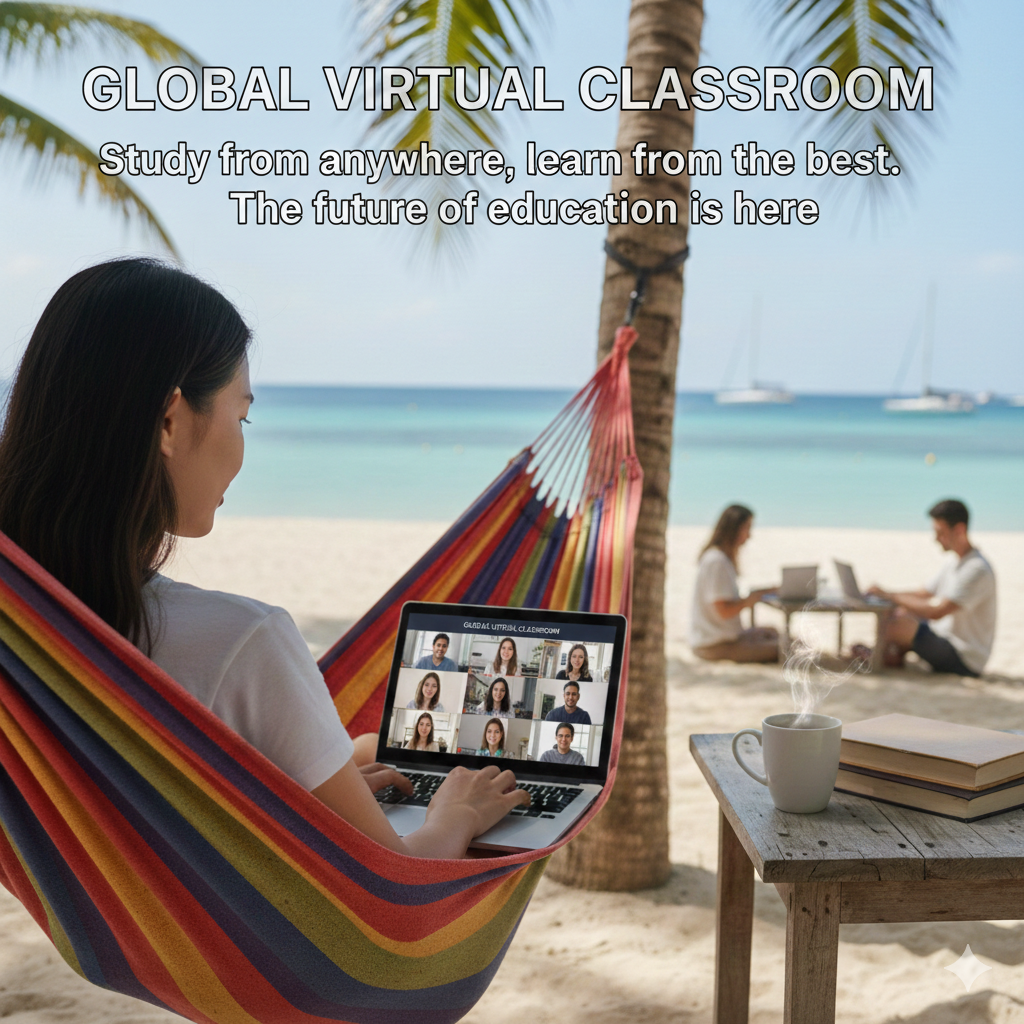
In the modern era, physical presence in a classroom is no longer the sole requirement for a quality education. Online learning has revolutionized the landscape, offering the freedom to study whenever and wherever internet access is available. It is increasingly becoming the standard for higher education across the globe.
1. Unmatched Flexibility
Online education offers a level of flexibility that benefits both instructors and students. By allowing for asynchronous schedules, it enables individuals to balance professional responsibilities and personal lives with their academic pursuits.
Furthermore, the digital format often fosters better interaction and more frequent feedback. Teachers can leverage a diverse array of media—such as instructional videos, interactive eBooks, and discussion forums—to create a more dynamic and engaging learning environment than a traditional lecture hall might allow.
2. A Diverse Array of Programs
Educational institutions worldwide are expanding their digital catalogs, offering online versions of nearly every discipline. Whether a student is pursuing a Bachelor’s degree, a Master’s, or a specialized professional certification, the options are virtually limitless. This democratization of information allows learners to explore subjects outside of traditional university curricula, tailoring their education to their specific interests and career goals.
3. Global Accessibility
One of the most significant advantages of virtual learning is its accessibility. Students can earn official degrees and certifications without the need for a daily commute or relocation. This “borderless” approach to education ensures that high-quality instruction is available to anyone, regardless of their geographical location, making the dream of a degree a reality for a much broader audience.